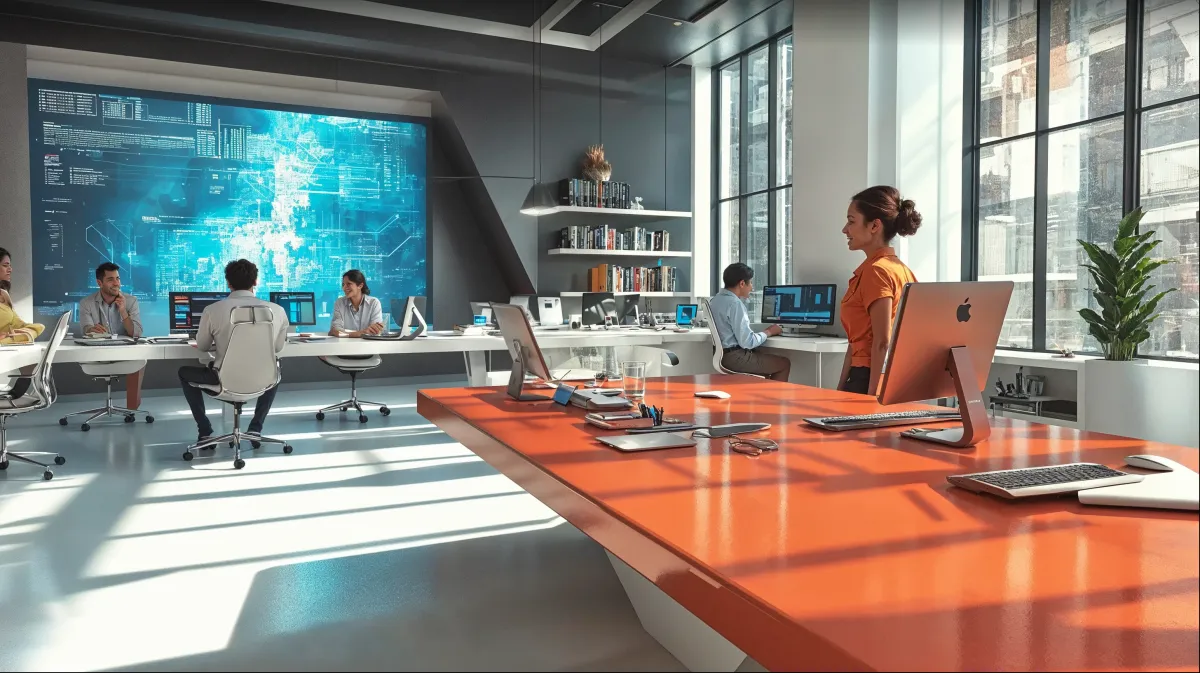
Learn more about how design trends are shaping meaningful digital experiences. Web design isn’t just about what looks good; it’s also about how users feel and interact as they explore your site. The competitive edge in today’s digital space often hinges on your ability to create memorable, intuitive experiences that go beyond basic visuals.
Immersive layouts that use bold color palettes, asymmetry, and dynamic imagery are increasingly popular for brands eager to stand out. Carefully considered micro-interactions—like subtle button animations or hover states—add polish and guide visitors on their journey. Accessibility features, such as clear contrast and keyboard navigation, ensure that everyone can enjoy your site, reflecting a broader commitment to inclusivity.
Modern web design increasingly integrates storytelling. Rather than relying on static pages, brands use interactive scroll effects, infographics, and short-form video to walk visitors through their message. This all serves to strengthen the user's connection and increases the likelihood of positive brand perception. Incorporating feedback tools or chatbots can further improve engagement, making it easy for users to ask questions or voice concerns in real time.
Responsiveness is another trend that can’t be bypassed. With most web traffic coming from mobile devices, sites need to look and function beautifully on any screen size. Test your site regularly and address performance bottlenecks, focusing on swift load times and logical content flow.
Looking forward, brands that mix design innovations with clear storytelling will consistently outperform those chasing aesthetics alone. To keep your digital presence current:
- Stay informed on emerging design tools and platforms.
- Prioritize user feedback as you iterate site features.
- Apply accessibility standards from the start, not as an afterthought.